My parents SOLD my 8-year-old’s belongings and gave away our room, while we were in the hospital.
While My 8-Year-Old Was In The Hospital Fighting For Her Life, My Parents Sold Our Belongings And Gave Our Room To My Sister. “You Were Late With The Payment,” They Said Casually. I Didn’t Cry. I Took Action. Three Months Later, They Saw Us And Went Completely Pale…
### Part 1
We were released from the hospital on a Tuesday afternoon, which felt wrong on principle.
Tuesdays were supposed to be for unanswered emails, grocery lists, and forgetting whether the trash had gone out. They were not supposed to be for walking through automatic glass doors with your eight-year-old daughter and pretending your hands had stopped shaking.
Lily stood beside me beneath the hospital awning, clutching her stuffed rabbit under one arm. Her other hand wrapped around two of my fingers so tightly that my knuckles ached.
She looked better than she had two weeks earlier.
She also looked like a child who had learned too young that adults could say, “Everything is okay,” while fastening tubes to her body.
“We’re going home now?” she asked.
Her voice rose at the end, as though I might suddenly turn around and take her back upstairs.
“We’re going home,” I promised.
I made my voice sound lighter than I felt because Lily had begun studying my face the way people study storm clouds. If I looked frightened, she became frightened. If I smiled, she tried to believe me.
During the drive, she watched the bare winter trees slide past the window.
“My bed is still there, right?”
The question caught me off guard.
“Of course it is.”
“And my moon light?”
“Yes.”
“And my blue blanket?”
“Everything is there.”
I believed that when I said it.
Lily and I shared one bedroom in my parents’ house. She had a small white bed against the window, a moon projector on the dresser, and an emergency pile of books stacked beside her pillow. I slept on a narrow bed across the room and used two drawers in an old wooden dresser.
It was not much, but it was ours.
Or at least I had thought it was.
When we reached the house, I helped Lily out of the car. She stood perfectly still while I zipped her coat, something she would have complained about before the hospital.
I hated how cooperative she had become.
Children were supposed to squirm, argue, and try to run away with one sleeve hanging loose. Lily had learned to stay still because staying still made frightening things end faster.
“Rabbit,” she reminded me.
“I have him.”
I balanced the discharge folder, a paper bag from the hospital, my purse, and her rabbit. It seemed like enough for one person to carry.
The front door opened before I could put my key into the lock.
My mother, Diane, stood there wearing a soft gray sweater and a smile that seemed warm until I looked closely.
“Oh, sweetheart,” she said, staring at Lily. “Look at you.”
My father, Martin, hovered behind her with one hand resting on the doorframe.
My older sister, Brooke, stood in the hallway. Her ten-year-old son, Ethan, was beside her, examining the floor as though it had suddenly become fascinating.
For one foolish second, relief washed through me.
They remembered we were coming home. They were all here. Maybe they had made dinner. Maybe my mother had washed Lily’s blanket. Maybe I had been unfair to them in all the exhausted thoughts I had entertained while sleeping upright beside a hospital bed.
“Hi, Grandma,” Lily said.
Her smile was small and cautious.
My mother touched the top of her head.
“Come inside. It’s freezing.”
Lily immediately looked toward the stairs.
“Can we go to my room?”
“Sure,” I said. “Let’s get your blanket first.”
I stepped forward.
My mother placed her hand on my elbow.
It was not a grab. It was a gentle pause, the way someone might stop you from crossing a street before the light changed.
“Nora,” she said, keeping that same pleasant smile. “Before you go upstairs, do you have somewhere to sleep tonight?”
The words reached me individually but refused to make sense together.
“What?”
“Where are you staying tonight?”
Lily tightened her arm around the rabbit.
I stared at my mother.
“We live here.”
“Yes,” she said slowly. “About that.”
A cold sensation crawled up my back.
“About what?”
My mother released a quiet sigh, as if I were forcing her to discuss something embarrassing.
“Brooke has been using your room.”
“My room?”
“The room you were using,” she corrected.
Lily looked up sharply.
“My bed is in there.”
Brooke turned her face away. Ethan pulled at a loose thread on his sleeve.
My father cleared his throat but said nothing.
“No,” I said. “Explain what happened.”
My mother’s smile remained fixed.
“You weren’t here for two weeks.”
“I was sleeping beside Lily in the hospital.”
“I understand that.”
“No, you don’t.”
“And you missed your monthly contribution,” she continued, speaking over me. “We had expenses. We couldn’t leave a room unused indefinitely.”
“Indefinitely?” I repeated. “It was fourteen days.”
Lily’s voice was barely audible.
“We didn’t leave. I was sick.”
I put my arm around her.
“What did you do with our things?”
My mother blinked.
“Most of them are boxed.”
The word most lodged in my chest.
“Where?”
“In the garage,” my father finally said.
“What does most mean?”
My mother’s lips pressed together.
“We had to sell a few items.”
Lily stopped breathing for a second.
“You sold my stuff?”
“It wasn’t being used,” my mother said.
She said it casually, as though Lily had gone to summer camp instead of spending two terrifying weeks surrounded by beeping machines.
“What did you sell?” I asked.
My father answered without meeting my eyes.
“The game console, the tablet, the headphones, and a few other things.”
“My headphones,” Lily whispered.
They were noise-canceling headphones I had bought secondhand after saving for months. Lily used them when storms frightened her and when the house became too loud.
Brooke suddenly stepped forward.
“Nora, it wasn’t personal. Money was tight, and Ethan’s tournament deposit was due Friday.”
I looked at her.
“What tournament?”
“The travel baseball weekend.”
“The one at the beach?”
“It’s nonrefundable,” Brooke said defensively. “The whole team is going.”
The hallway became very quiet.
I looked from my sister to my parents.
“While my daughter was in the hospital fighting to come home, you sold her belongings to pay for Ethan’s beach baseball trip.”
My mother’s expression hardened beneath the smile.
“You missed your payment.”
Lily slipped her hand into mine.
“Show me the boxes,” I said.
The garage smelled of dust, motor oil, and cold concrete. Cardboard boxes were stacked along one wall. My mother had labeled them in thick black marker.
LILY—CLOTHES.
LILY—BOOKS.
NORA—MISC.
Lily reached toward one box and traced the letters of her name with two fingers.
“That’s mine.”
“I know.”
My mother stood behind us with her arms folded.
“We saved the important things.”
I turned around.
“What did you consider important?”
Her answer came too quickly.
“The things that didn’t have resale value.”
Something inside me became perfectly still.
Not broken. Not angry.
Still.
I looked at the boxes, my pale daughter, and the room upstairs that had apparently stopped belonging to us the moment we became inconvenient.
Then my mother said, “If you don’t have anywhere else, we can make up the sofa for a couple of nights.”
She smiled again, relieved by her own generosity.
That was the moment I understood that they genuinely expected me to thank them.
### Part 2
Lily’s fingers closed around mine.
“Mom,” she whispered, “where are we sleeping?”
I looked past my mother toward the hallway.
Brooke stood with her chin raised, as though daring me to embarrass myself. Ethan remained silent. My father watched me with the irritated expression he always wore when someone brought emotion into a situation he preferred to call practical.
I nodded once.
“Okay.”
My mother’s shoulders relaxed.
“See?” she said. “There’s no need to make this a big confrontation. We’re willing to be flexible.”
I did not argue.
I did not scream.
I did not remind them that Lily’s medical bag was still hanging from my shoulder or that she had asked about her blanket before she had asked for food.
I took her coat from the hook and helped her put it back on.
Lily watched my face but did not ask why.
My father frowned.
“Where are you going?”
“Out.”
“For how long?” my mother asked.
My hand rested on the doorknob.
“I don’t know.”
That was the truth.
Outside, the wind cut through my sweater. Lily climbed into the car slowly, guarding her side the way the nurses had taught her. I fastened her seat belt and placed the stuffed rabbit on her lap.
When I started the engine, she looked toward the house.
“We’re not staying?”
“No.”
“Did I do something?”
The question tore through me more effectively than anything my mother had said.
“No, baby. You did nothing wrong.”
“Then why did they give away my bed?”
I gripped the steering wheel.
“Because some adults make selfish choices and then use complicated words to pretend those choices were reasonable.”
Lily considered that.
“Are they mad at me?”
“No.”
They were not mad at Lily. Being angry would have required them to see her as a person with feelings. They had treated her like unused space.
“Can we drive for a while?” she asked.
“Yes.”
I pulled away from the curb without a destination.
In the rearview mirror, my parents’ house looked exactly as it always had: trimmed hedges, clean windows, brass numbers beside the door. Nothing outside suggested that a child’s belongings had been priced, sold, and replaced while she lay in a hospital bed.
Brooke was two years older than me, and in our family that somehow meant her needs arrived first.
My parents would have denied favoring her. They believed favoritism had to look dramatic—one child receiving diamonds while the other went hungry. In our family, it came disguised as common sense.
Brooke received comfort.
I received compliments about being strong.
When her marriage ended, my parents treated it like a family emergency. My mother blamed Brooke’s ex before the moving truck had left. My father gave her money, carried boxes, and told her she could stay as long as she needed.
When my marriage ended four years earlier, they had held a private evaluation.
They offered Lily and me a room, but there were conditions. I paid a monthly contribution. I bought groceries. I handled errands, laundry, cleaning, and every task introduced with, “Since you’re already here…”
I paid rent and then paid again by making myself useful.
I accepted it because single-parent math does not care about pride.
What hurt was learning that rules could disappear whenever Brooke needed something.
If Ethan required new baseball cleats, my parents found the money. If Brooke needed help with a car repair, payment could wait. If she felt overwhelmed, everyone adjusted.
When I felt overwhelmed, my mother said, “You’ve always been resourceful.”
It had taken me years to understand that “resourceful” was often another word for “unsupported.”
Lily leaned her head against the window.
“Are we going to a hotel?”
“I’m figuring it out.”
I had enough money for perhaps two nights in a cheap motel, assuming there was no security deposit and assuming the hospital bills waiting in my mailbox did not swallow my next paycheck.
Every friend I considered calling had a reason I could not call them. Small apartments. New babies. Night shifts. Complicated marriages. I had spent years telling everyone I was managing. It was hard to suddenly admit I was driving around with my recovering child and nowhere to put her to bed.
Then a memory surfaced.
A kitchen at night. My feet in striped socks. A glass of water and a cookie pushed across a table.
My grandmother Ruth.
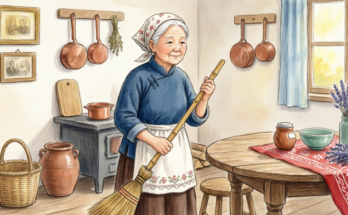
She had lived with us when I was young. I remembered her less as a person and more as a feeling: calm hands, peppermint lotion, a chair pulled out for me when everyone else was busy with Brooke.
One night, when I was six, Brooke had been crying loudly in her bedroom. My mother rushed to comfort her. I stood unnoticed in the hallway until Grandma Ruth found me.
She led me into the kitchen and gave me a cookie.
“Your sister is loud,” she whispered.
I accidentally laughed.
Grandma Ruth smiled.
“You’re allowed to have feelings too, Nora.”
No one had ever told me that before.
Then, without warning, she disappeared from our home.
My mother said she had left. Later, the explanations changed. Grandma Ruth was difficult. She was manipulative. She could not be trusted. She caused trouble over money.
The details were never consistent, but the rule was clear.
Do not call her.
Do not mention her.
Do not miss her.
I still had her phone number.
I had never deleted it, though I could not explain why. Maybe some part of me had preserved it the way people kept emergency matches in a waterproof box.
I pulled into the parking lot of a closed garden center.
Lily opened her eyes.
“What are we doing?”
“Calling someone.”
The phone rang twice.
“Hello?”
Her voice was older than I remembered, but unmistakable.
“It’s Nora,” I said. “Your granddaughter.”
Silence followed.
Then she said my name.
“Nora.”
There was no accusation in it. No demand to know why I had waited so long.
I swallowed.
“Lily and I need somewhere to stay.”
“Where are you?”
I told her.
“Come here,” she said. “I’ll be home.”
That was all.
No conditions. No lecture. No request for proof.
As I ended the call, Lily looked at me.
“Was that your grandma?”
“Yes.”
“Is she nice?”
I stared through the windshield at the empty parking lot.
“I remember her being nice.”
An hour later, Grandma Ruth opened her apartment door before I could knock.
Her hair had turned completely silver. She stood slightly crooked, one hand resting against the frame, but her eyes were the same.
They went directly to Lily.
“Oh, sweetheart,” she said softly. “Come inside.”
She did not ask what we could pay.
She did not ask how long we planned to stay.
She simply stepped aside as though we had always belonged there.
And for the first time that day, I almost cried.
### Part 3
Grandma Ruth’s apartment was small enough that I could see the entire living room from the doorway.
A brown sofa sat beneath a window crowded with potted plants. A crocheted blanket covered one armrest. The air smelled faintly of cinnamon, furniture polish, and the peppermint lotion I remembered from childhood.
Lily remained pressed against my side.
Grandma Ruth did not reach for her.
She seemed to understand instinctively that after two weeks of strangers touching her, Lily needed adults to keep their hands to themselves.
“You can sit there,” she said, placing a folded blanket on the sofa. “Or lie down. You don’t have to talk.”
Lily climbed onto the couch, tucked the stuffed rabbit beneath her chin, and pulled the blanket over herself.
Grandma Ruth brought her water and a plate of crackers. She set them on the coffee table without demanding a thank-you.
Within minutes, Lily’s eyes closed.
My grandmother sat across from me.
“What happened?”
Not, “What did you do?”
Not, “Why didn’t you plan better?”
Just, “What happened?”
I gave her the shortest version I could manage.
“The hospital released Lily this afternoon. We went back to Mom and Dad’s house. Brooke had moved into our room. Ethan has the guest room. Our belongings were in the garage. Some of Lily’s things were sold.”
Grandma Ruth’s face tightened.
“Sold for what?”
“Ethan’s travel baseball deposit.”
She inhaled slowly through her nose.
“Your mother.”
The two words held decades of meaning.
From the sofa, Lily said, “They sold my headphones.”
Her eyes were still closed.
Grandma Ruth’s anger disappeared instantly.
“I’m sorry, sweetheart.”
Lily nodded without opening her eyes.
My grandmother turned back to me.
“Diane told you I abandoned the family, didn’t she?”
“She told me several versions.”
“Did any of them include my back injury?”
I shook my head.
Grandma Ruth folded her hands in her lap.
“I lived with your parents because your grandfather died with more debts than savings. I worked at the grocery store and helped take care of you girls. Then I injured my back. I couldn’t stand for an entire shift anymore. I couldn’t lift laundry baskets or scrub floors.”
Her gaze moved toward Lily.
“When I stopped being useful, your mother decided I had become expensive.”
The sentence fit so perfectly that I felt something cold settle in my stomach.
“What happened?”
“She told me I needed to contribute more. I told her I couldn’t. She said I had thirty days to leave.”
I remembered my mother’s voice earlier.
You missed your contribution.
“We were told you chose to go.”
“I chose not to beg.”
Grandma Ruth’s tone remained calm, but her fingers tightened around each other.
“Your mother knew I loved you. She knew cutting me off would hurt me, so she made contact conditional. I could see you only if I apologized for being ungrateful and agreed never to discuss why I left.”
“You never called.”
“I did. For a while. Your father answered twice. Your mother changed the number after that.”
The room seemed to shift around me.
For years, I had believed my grandmother had simply walked away. Now I realized my mother had rewritten the story until the victim looked guilty.
“I’m sorry,” I whispered.
Grandma Ruth shook her head.
“You were a child. Children believe the adults who control the house.”
She glanced around the apartment.
“I wish I could solve your problem tonight. I don’t have that kind of money.”
“We’ll figure it out.”
“You need more than encouraging words.”
She stood with effort and disappeared into the bedroom.
When she returned, she carried an old cardboard box held together with yellowed tape.
“My husband saved everything,” she said. “Receipts, certificates, warranties for appliances we stopped owning before you were born.”
She placed the box on the table.
“There are some old stock certificates in here. I never understood them. Most are probably worthless, but perhaps one is worth enough for a motel or an apartment deposit.”
“I can’t take this.”
“You’re not taking it. You’re helping me find out what belongs to me.”
That distinction allowed both of us to keep our dignity.
Later that night, Lily slept on the sofa while I sat at the small kitchen table beneath a humming fluorescent light.
The box contained brittle documents from companies I had never heard of. Some had folded corners. Others carried faded stamps or handwritten notes from my late grandfather.
I searched each name on my phone.
A manufacturing company had gone bankrupt in the 1980s.
A regional airline no longer existed.
A utility certificate had limited value.
After two hours, I had found enough to buy groceries and perhaps pay one night at a motel.
Then I pulled out a cream-colored certificate with an old technology company’s name printed across the top.
I recognized it immediately.
Attached to the back was a small note in my grandfather’s handwriting.
Bought with Ruth’s birthday money. $400.
I searched the company’s stock history.
The original shares had divided repeatedly over the decades. Eighteen shares had become thousands.
I checked the calculation again.
Then a third time.
My phone screen showed a figure just under eight hundred thousand dollars.
I stared at it until the numbers blurred.
There had to be a mistake.
Maybe the certificate had been canceled. Maybe it had been redeemed. Maybe I had entered the wrong year. I searched for transfer records, old certificate procedures, and warnings about scams.
The more I read, the harder my heart pounded.
I walked to Grandma Ruth’s bedroom and knocked.
She opened the door immediately, still wearing her robe.
“What happened?”
I held out the phone.
“I think this certificate might be worth a lot of money.”
“How much is a lot?”
I turned the screen toward her.
She leaned closer, adjusted her glasses, and read the number.
Her mouth opened slightly.
“Oh.”
That was all she said.
Some amounts are too large to feel like money at first.
They feel like a door appearing in a wall you had accepted as permanent.
Grandma Ruth looked toward the living room where Lily slept beneath the crocheted blanket.
Then she looked back at me.
“We don’t tell anyone yet,” she said.
Her expression had changed.
It was not excitement.
It was fear.
And I suddenly wondered what my grandmother knew about my mother that I did not.
### Part 4
The following morning, Grandma Ruth called an attorney whose number she had saved from a community legal clinic.
By noon, we were sitting in a quiet office with beige walls and a coffee machine that made the entire waiting room smell burned.
The attorney, Claire Dalton, examined the certificate under a desk lamp.
She asked where it had been stored, who had purchased it, whether my grandfather had left a will, and whether anyone else knew it existed.
Grandma Ruth answered carefully.
“No one knows except Nora.”
Claire studied her.
“You understand that this asset belongs to you?”
“Yes.”
“And you want your granddaughter helping you manage it?”
“Yes.”
“No one pressured you?”
Grandma Ruth gave her a flat look.
“I spent thirty years surviving my daughter. I know what pressure looks like.”
For the first time in days, I nearly smiled.
The next several weeks were not glamorous.
They were forms, signatures, verification calls, identity records, transfer agents, tax discussions, and long stretches of waiting. Every time the phone rang, I expected someone to say the certificate was invalid.
No one did.
The shares were real.
They had never been redeemed.
After taxes and fees, Grandma Ruth still owned enough to change all three of our lives.
She refused to sell everything.
“We are buying stability,” she said. “Not proving something.”
We sold a portion and left the remainder invested.
Claire helped Grandma Ruth create a trust. She also arranged independent medical and cognitive evaluations before any major transaction.
At first, I thought that was excessive.
Then she explained, “When money appears, relatives sometimes become concerned about an older person’s competence. Usually their concern increases in direct proportion to the amount involved.”
Grandma Ruth gave me a pointed look.
That was why she had seemed frightened.
She already knew what my mother would do if she learned about the money.
Three months after we left my parents’ house, I stood in the kitchen of a home that belonged to us.
It was not a mansion.
It had three bedrooms, pale siding, a small yard, and a maple tree that dropped dry seed pods across the driveway. The kitchen cabinets were slightly outdated, and one bathroom had wallpaper covered in tiny blue flowers.
To me, it looked like freedom.
We stayed in the same school district so Lily would not have to face another major change. Her room overlooked the backyard. She chose it after examining all three bedrooms as seriously as a real-estate inspector.
“Can this one be mine?” she asked.
“Yes.”
“Even if I get sick again?”
The question stopped me.
“Especially then.”
“No one can give it away?”
“No one.”
Lily placed her stuffed rabbit in the center of the empty floor.
“This one,” she decided.
Grandma Ruth took the downstairs bedroom so she would not have to manage the stairs. She moved in with two suitcases, seven plants, the crocheted blanket, and the old cardboard box.
We did not celebrate with champagne or expensive furniture.
We ordered pizza and ate it on the floor.
Lily laughed when cheese slid off her slice. Grandma Ruth complained about the delivery fee and then ate four pieces.
For the first few weeks, I kept waiting for someone to tell us there had been a mistake.
I would wake at night and walk through the hallway, checking doors and windows. Sometimes I stood outside Lily’s room and listened to her breathe.
She began sleeping through the night again.
Her appetite returned.
She stopped asking whether we were going home because she finally understood that we were home.
I returned to my parents’ house only once.
Grandma Ruth stayed with Lily while I collected our boxes.
My father opened the garage without inviting me inside. Brooke’s car was parked in the driveway.
No one apologized.
My mother stood near the door with her arms folded.
“You could have told us where you were,” she said.
“You could have asked whether Lily survived the night after we left.”
Her mouth tightened.
“We assumed she was fine.”
“You sold her belongings before you knew whether she would come home.”
“That is an unfair way to phrase it.”
“It is exactly what happened.”
My father interrupted.
“Let’s just get the boxes loaded.”
That was what my family did when truth became uncomfortable. They turned it into a task.
I loaded Lily’s books, clothes, moon projector, and blue blanket into a borrowed truck. Several boxes had been opened. A few items were missing, but I did not ask about them.
As I lifted the final box, my mother said, “You’re being very secretive.”
I looked at her.
“About what?”
“Where you’re staying. How you’re paying for things.”
“I’m managing.”
The phrase had belonged to them for years.
Now it belonged to me.
My mother studied my face.
For one second, I thought she knew something.
Then she said, “You’ll come back when this little performance becomes too difficult.”
I closed the truck.
“No, I won’t.”
I drove away without looking in the mirror.
For two months, none of them contacted me.
I began to believe silence might be the closest thing to peace they could offer.
Then, one Saturday morning, I stood in our driveway while Lily drew crooked stars with sidewalk chalk.
I heard familiar voices approaching from the corner.
When I looked up, my parents were walking directly toward our house.
They had not seen me yet.
But when my mother finally lifted her eyes, she stopped so suddenly that my father took three steps before realizing she was no longer beside him.
They stared at the house.
Then at me.
And all the color drained from their faces.
### Part 5
My mother crossed the street first.
“Nora?”
Her voice sounded uncertain, a tone I had rarely heard from her.
My father followed more slowly, looking from the front porch to the windows, as though searching for a reasonable explanation.
“What are you doing here?” my mother asked.
“Watching Lily draw.”
She glanced down.
Lily crouched near the driveway, filling a chalk circle with purple lines. Her stuffed rabbit sat on the porch step like a supervisor.
My father frowned.
“Are you visiting someone?”
“No.”
My mother looked at the house again.
“You’re renting this?”
“No.”
Silence stretched between us.
Lily looked up.
“This is our house,” she announced.
She said it casually, with the confidence of a child who had practiced the sentence.
My mother’s expression tightened.
“Your house?”
“Yes,” Lily said. “My room has two windows.”
My father turned fully toward me.
“You bought this place?”
“We live here.”
“That wasn’t my question.”
“It was the only answer you’re entitled to.”
My mother released a quick, artificial laugh.
“Don’t be ridiculous. We’re your parents.”
“That did not stop you from making an eight-year-old homeless the day she left the hospital.”
“We offered you the sofa.”
Lily’s chalk stopped moving.
I lowered my voice.
“Not in front of her.”
My mother glanced at Lily, annoyed rather than ashamed.
“Then perhaps we should go inside.”
“No.”
“Nora, people are staring.”
I looked around. No one was staring.
The street was quiet except for a lawn mower several houses away and a dog barking behind a fence.
My mother had always invoked imaginary witnesses when she wanted me to feel embarrassed.
“I don’t care.”
Lily stood and brushed chalk dust from her palms.
“Mom, can I wash my hands?”
“Go ahead.”
She ran toward the porch.
Before she reached the door, it opened.
Grandma Ruth stepped outside.
My mother froze.
My father’s jaw tightened.
Grandma Ruth wore tan pants, a yellow cardigan, and the expression of someone who had expected this moment for years.
“Oh,” my mother said.
One small word, but I heard the alarm inside it.
My father looked at me.
“So this is because of her.”
“No,” I said. “This is because of you.”
My mother recovered quickly.
“Ruth, what exactly have you done?”
Grandma Ruth descended one step.
“I gave my granddaughter and great-granddaughter a place where they are not charged for existing.”
“That doesn’t explain this house,” my mother snapped.
“It doesn’t need to.”
“If there’s money involved, it concerns us.”
“Why?” I asked.
“Because she’s elderly. Because she’s vulnerable. Because you appeared after years of no contact and suddenly she’s buying property.”
Grandma Ruth’s eyes hardened.
“Nora appeared because you put a recovering child on the street.”
“We did no such thing.”
“You sold Lily’s belongings.”
“She was late with her payment,” my father said.
Grandma Ruth stared at him.
“Listen to yourself.”
My mother pointed toward the house.
“Whose name is on the deed?”
“Mine and Ruth’s,” I said.
Her face changed.
It was subtle, but I saw it: not concern, not confusion, but calculation.
“How much did you give her?” she demanded.
Grandma Ruth stepped forward.
“You should leave.”
“This is between me and my daughter.”
“This is my property too.”
My mother looked at me.
“We are going to discuss this privately.”
“No, we aren’t.”
“You don’t mean that.”
“I do.”
“You’re angry.”
“I’m finished.”
Her expression shifted into something wounded.
“We took you in after your divorce.”
“You charged me rent, assigned me chores, and gave away our room during a medical emergency.”
“We taught you responsibility.”
“You taught me that love in your house lasted only while I was useful.”
My father glanced toward neighboring homes.
“That’s enough.”
“For once, I agree.”
I pointed toward the sidewalk.
“Leave.”
My mother stared at me for several seconds.
Then she smiled.
It was the same careful smile she had worn when she offered us the sofa.
“Fine,” she said. “We’ll talk when you’re calmer.”
“No, we won’t.”
She turned and walked away. My father followed.
Grandma Ruth watched until they disappeared around the corner.
“They know,” I said.
“They suspect.”
“Is there a difference?”
“For people like your mother, suspicion is enough.”
Two weeks later, a thick envelope arrived by certified mail.
The return address belonged to a law firm.
My stomach tightened before I opened it.
I sat at the kitchen table while Lily ate cereal across from me. The paper felt unusually heavy in my hands.
The complaint accused me of elder financial abuse.
It claimed I had manipulated Grandma Ruth, isolated her from family, and taken control of assets that supposedly belonged to my mother.
One sentence made me read the page twice.
The technology stock should have passed to Diane Mercer as her father’s rightful heir.
I stared at the words.
They knew about the stock.
Not merely the money.
The specific stock.
Lily noticed my face.
“Are we in trouble?”
“No,” I said automatically.
Then I folded the papers and looked toward Grandma Ruth’s bedroom.
Someone inside our family had told them exactly what we had found.
And there was only one person outside the house who had heard Lily mention it.
### Part 6
Ethan had asked Lily about the new house at school.
She admitted it that evening while sitting on the edge of her bed, twisting the stuffed rabbit’s ear between her fingers.
“He kept asking how we paid for it,” she said.
“What did you tell him?”
“That Great-Grandma had old paper that became money.”
“Did you say what company?”
Her eyes filled with tears.
“He asked if it was the one with the computer. I said yes.”
My stomach sank.
Lily’s voice broke.
“Is this my fault?”
I sat beside her immediately.
“No. Look at me.”
She reluctantly lifted her eyes.
“Children are not responsible for what adults do with information. Ethan asked questions because an adult probably told him to. You answered because you trusted your cousin. None of this is your fault.”
“Grandma and Grandpa are mad because I told him.”
“They are angry because they cannot control what belongs to someone else.”
She leaned against me.
“I don’t want them to take our house.”
“They won’t.”
I said it firmly, though fear had already begun crawling through my chest.
Attorney Claire Dalton was less worried than I expected.
She read the complaint, made two notes, and leaned back in her chair.
“This is intimidation.”
“They’re claiming Grandma is incompetent.”
“We anticipated that.”
She tapped the folder containing Grandma Ruth’s independent evaluations, signed statements, trust documents, and transaction records.
“Your grandmother was examined before the property purchase. She had separate legal advice. The funds can be traced. You did not conceal anything from the professionals involved.”
“They know exactly what certificate it was.”
“That makes them greedy, not correct.”
Grandma Ruth, sitting beside me, crossed her arms.
“I would like Diane to explain why she believes she inherited from a man who died while I was still alive.”
Claire almost smiled.
“She may have difficulty with that.”
The legal threats were only one part of it.
Messages began arriving from relatives I had not heard from in years.
Your mother is worried about Ruth.
It looks suspicious that you suddenly reconnected.
Families should not fight over inheritance.
One cousin wrote, I’m not accusing you, but Diane says Ruth has been confused lately.
I did not respond.
Grandma Ruth was not confused. She completed crossword puzzles in ink, managed her own appointments, remembered every birthday, and could tell when a grocery coupon had been applied incorrectly from six feet away.
My mother did not believe she was confused.
My mother believed she was disobedient.
Brooke called once.
I nearly ignored it, but curiosity won.
“What?” I answered.
“You need to make this right.”
“By giving Mom Ruth’s money?”
“It was Grandpa’s money.”
“It was purchased with Grandma Ruth’s birthday savings while they were married. Her name is on the documentation.”
“You know what I mean.”
“I usually don’t.”
Brooke exhaled sharply.
“Mom and Dad are devastated. They feel betrayed.”
I looked through the kitchen window at Lily and Grandma Ruth planting herbs in small clay pots.
“Did they feel devastated when they sold Lily’s headphones?”
“That was different.”
“How?”
“You owed them money.”
“So did you.”
Silence.
I continued.
“You were behind on rent when they moved you into our room. Ethan’s tournament deposit came from my daughter’s property. Did you ever plan to pay it back?”
“I didn’t know exactly what they were selling.”
“You stood in the hallway when we came home.”
“I felt bad.”
“You did nothing.”
“What was I supposed to do?”
“Get out of our room.”
Brooke’s voice sharpened.
“I had nowhere else to go.”
“Neither did we.”
The words ended the conversation.
She began crying, or pretending to. With Brooke, I had learned not to assume there was a difference.
“You’ve always hated me.”
“No,” I said. “I hated what everyone excused for you. Now I simply don’t trust you.”
I ended the call.
The lawsuit unraveled quietly.
Claire requested evidence of incapacity. My parents produced none.
She requested proof that the stock belonged to my mother. They had none.
She submitted Grandma Ruth’s evaluations, financial records, and sworn statement explaining how my mother had removed her from the family decades earlier.
Then Claire demanded that my parents disclose how they had learned about the stock and whether they had questioned a minor child to obtain financial information.
Their attorney requested an extension.
Then another.
After that, the accusations softened.
“Financial abuse” became “family misunderstanding.”
“Stolen inheritance” became “uncertainty regarding ownership.”
Within weeks, they withdrew the complaint.
There was no apology.
My father sent a single message.
We hope everyone can move forward now.
I read it twice.
Then I handed the phone to Grandma Ruth.
She gave a humorless laugh.
“They tried to take your home, frightened Lily, called me incompetent, and now they want to move forward.”
“I’m not letting them walk away pretending nothing happened.”
Claire had already suggested the next step.
A small, precise claim for the property my parents had sold.
Not pain.
Not betrayal.
Not years of favoritism.
The console. The tablet. The headphones. The clothes, toys, and personal items that had disappeared from the boxes.
Receipts.
Dates.
Marketplace listings.
Bank deposits.
My mother had believed turning cruelty into a transaction would protect her.
Instead, she had left a paper trail.
### Part 7
The claim was boring in exactly the way Claire had promised.
There were no dramatic courtroom speeches. No crowd gasping from wooden benches. No judge delivering a lecture about family loyalty.
There were spreadsheets.
Screenshots of online listings.
Bank records showing deposits made while Lily was hospitalized.
Photographs my mother had posted publicly, including one of Ethan wearing his baseball jersey beside a caption about his “fully paid beach weekend.”
The dates aligned perfectly.
My parents initially denied selling several items. Claire produced the listings from my mother’s account.
They claimed the property had been abandoned. Claire produced messages in which I had told them I would pay my contribution after Lily was discharged.
They claimed the money had been used for household expenses. The deposit for Ethan’s tournament had been paid the morning after the largest sale.
Brooke had reimbursed no one.
My parents finally agreed to settle.
A check arrived several weeks later for a few thousand dollars.
It was not enough to measure what they had done.
No amount could price the moment Lily touched her name on those boxes or asked whether losing her bed had been her fault.
But when I held the check, I felt something I had not expected.
Validation.
I sat Lily at the kitchen table.
She had regained some color in her cheeks by then. Her hair was tied in a crooked ponytail, and purple marker stained the side of her hand.
I placed the check in front of her.
“What’s that?”
“The money Grandma and Grandpa had to return for your belongings.”
Her eyes widened.
“Are we buying my stuff back?”
“Some of it. But this isn’t a prize.”
“Then what is it?”
“It’s proof.”
“Proof of what?”
“That what they did was wrong. Adults don’t get to take your things just because they think you can’t stop them.”
Lily studied the check.
“So they can’t do it again?”
“No.”
“Can anyone take my room?”
“No one.”
She nodded, satisfied, and asked whether she could have apple slices.
Children often move forward more honestly than adults.
We replaced the headphones first.
Lily chose a blue pair, nearly identical to the old ones. When she put them on, she smiled and raised her voice because she could not hear herself.
“THEY WORK!”
Grandma Ruth laughed so hard she had to sit down.
We did not replace everything.
Some toys had been outgrown. Some items no longer mattered. We placed the remaining settlement money into an account for Lily.
Word spread through the family, though not because I announced anything.
People saw the withdrawn lawsuit. They learned about the property claim. Someone found my mother’s old sale listings. Another relative remembered how Grandma Ruth had vanished from our lives years earlier.
The story my parents had controlled began collapsing under the weight of dates and receipts.
Invitations stopped arriving for them.
Relatives stopped repeating their accusations.
People who had messaged me about “family misunderstandings” became suddenly quiet.
My parents did not lose everyone overnight. Real consequences are usually slower than that.
Calls were returned less often.
Holiday plans occurred without them.
Friends stopped defending my mother when she complained.
For years, she had survived by telling each person a slightly different story. Now too many people had compared notes.
Brooke came to the house one afternoon without warning.
I opened the door but did not invite her inside.
She looked thinner. Her expensive sunglasses rested on top of her head even though the sky was cloudy.
“Can we talk?”
“We are talking.”
She glanced toward the windows.
“Privately?”
“Lily and Ruth are at an appointment.”
Brooke shifted her weight.
“I didn’t know Mom and Dad were going to sue you.”
“You provided them with information.”
“Ethan told me what Lily said. I mentioned it to Mom. That’s all.”
“That was enough.”
“I didn’t think they’d take it this far.”
“You never think consequences will reach you.”
Her face tightened.
“I came to apologize.”
“For what?”
“For everything.”
“That is not an apology. That is a container you hope I’ll fill for you.”
Brooke stared at me.
“I’m sorry they sold Lily’s things.”
“You benefited from it.”
“I offered to pay them back later.”
“Did you?”
“No.”
“Then you were part of it.”
Tears appeared in her eyes.
“I was desperate.”
“So was I.”
“You had Grandma Ruth.”
“I called a woman I had been taught to fear because you were sleeping in my daughter’s room.”
Brooke looked down.
“Mom and Dad aren’t doing well.”
I felt nothing.
Not satisfaction. Not guilt.
Nothing.
“What do you want from me?”
“They want the family back.”
“The family they had depended on me accepting less so you could receive more.”
“They’re still our parents.”
“And Lily is still my daughter.”
That answer closed the door between us before I physically did.
Brooke wiped her face.
“You’ll regret being this cold.”
“No,” I said. “I regret waiting this long to become difficult to mistreat.”
I closed the door gently.
Through the glass, I watched her stand on the porch for several seconds before walking away.
I did not feel powerful.
I felt free.
### Part 8
My parents tried one final time six months after the lawsuit ended.
A letter arrived addressed to Lily.
My mother’s handwriting covered the envelope in large, careful letters.
I did not open it.
I called Claire and asked whether I was legally required to give it to her.
“No,” she said. “You are her parent. You can decide whether contact is healthy.”
I placed the unopened letter in a drawer.
That evening, I asked Lily a simple question.
“Do you want to see Grandma Diane and Grandpa Martin?”
She looked up from her homework.
“Will they say sorry?”
“I don’t know.”
“Will they take my room?”
“No.”
“Will they ask about the money?”
“Probably.”
She considered this for a moment.
“Then no.”
Children can identify motives adults spend years pretending not to see.
I shredded the letter.
My father later sent me an email saying my mother had been crying every day.
He wrote that time was being lost and that one mistake should not destroy an entire family.
I replied with four sentences.
Selling Lily’s belongings was a choice. Giving away our room was a choice. Filing a false claim against Ruth was a choice. Contacting my daughter without permission was another choice.
He did not respond.
That was the last direct communication I had with either parent.
I did not forgive them.
People like to treat forgiveness as the final stage of healing, as though a wound remains open until the person who caused it receives comfort.
I disagreed.
I stopped wanting revenge. I stopped checking what relatives said about me. I stopped imagining conversations in which my mother finally understood.
But forgiveness would have required me to believe they were safe enough to reenter our lives.
They were not.
Grandma Ruth never asked me to reconsider.
One evening, we sat on the back porch while Lily chased fireflies across the yard. The summer air smelled like cut grass and someone’s distant barbecue.
“Do you miss Diane?” I asked.
Grandma Ruth watched Lily cup her hands around a blinking light.
“I miss the daughter I thought I had,” she said. “That’s different from missing the woman she chose to become.”
I understood exactly.
Grandma Ruth used part of the investment income to volunteer with a local housing organization. She helped older women complete applications and find legal assistance.
She never described herself as generous.
“I know what it feels like when someone convinces you shelter is a favor,” she said.
I returned to full-time work once Lily’s health stabilized. I could have stopped working, but I did not want our lives to revolve around the stock.
Money had opened the door.
I wanted us to learn how to remain standing even if the door disappeared.
Lily filled her room slowly.
The moon projector sat on her dresser. Books returned to the emergency pile. Her blue blanket covered the bed, though she had begun complaining that it was “kind of babyish.”
I never reminded her how desperately she had wanted it after the hospital.
One rainy afternoon, I heard loud music from upstairs.
I opened her door and found her wearing the replacement headphones, dancing badly while cleaning her shelves. She screamed when she noticed me, then laughed until she fell across the bed.
The sound filled the house.
Too loud.
Careless.
Safe.
That laughter meant more to me than the deed, the trust, or the investment statements.
Three years later, Grandma Ruth’s health began to decline. Nothing sudden or dramatic. She simply moved more slowly and rested more often.
One night, I found her sitting at the kitchen table with the old cardboard box beside her.
“I’m glad your grandfather refused to throw anything away,” she said.
“So am I.”
“The money helped.”
“It did.”
“But it wasn’t the important part.”
“What was?”
“You called.”
Her answer surprised me.
“I almost didn’t.”
“But you did.”
She reached across the table and rested her hand over mine.
“People think rescue looks like someone arriving with everything you need. Sometimes rescue is just remembering one phone number.”
Grandma Ruth lived with us until the end of her life.
She died peacefully in the downstairs bedroom, with Lily’s drawings taped beside the window and her plants crowding every patch of sunlight.
My parents learned about her death through another relative.
They were not invited to the memorial.
Brooke sent flowers.
I placed them outside the community center where someone else could take them.
At the memorial, Lily stood beside me wearing a yellow cardigan that had belonged to Grandma Ruth. She read a short note about the woman who gave us a couch without asking for rent and a home without demanding obedience.
Afterward, we returned to our house.
Our house.
Years later, the words still mattered.
I stood in the kitchen while Lily made grilled cheese and left crumbs everywhere. Sunlight moved across the floor. Grandma Ruth’s plants lined the window.
For a moment, I thought about the garage at my parents’ house.
The cold concrete.
The black marker.
My daughter’s name written across boxes as though her entire life could be packed away when she became inconvenient.
My parents believed they had taught me a lesson about responsibility.
They had.
I learned that protecting my child mattered more than keeping peace with people who harmed her.
I learned that being related to someone did not give them permanent access to me.
I learned that a locked door could be an act of love when the people outside had already shown what they would do once invited in.
Most importantly, I learned that Lily and I had never needed to become more useful, quieter, easier, or more forgiving to deserve a home.
We had always deserved one.
The only difference was that now, the key was in my hand.
THE END!